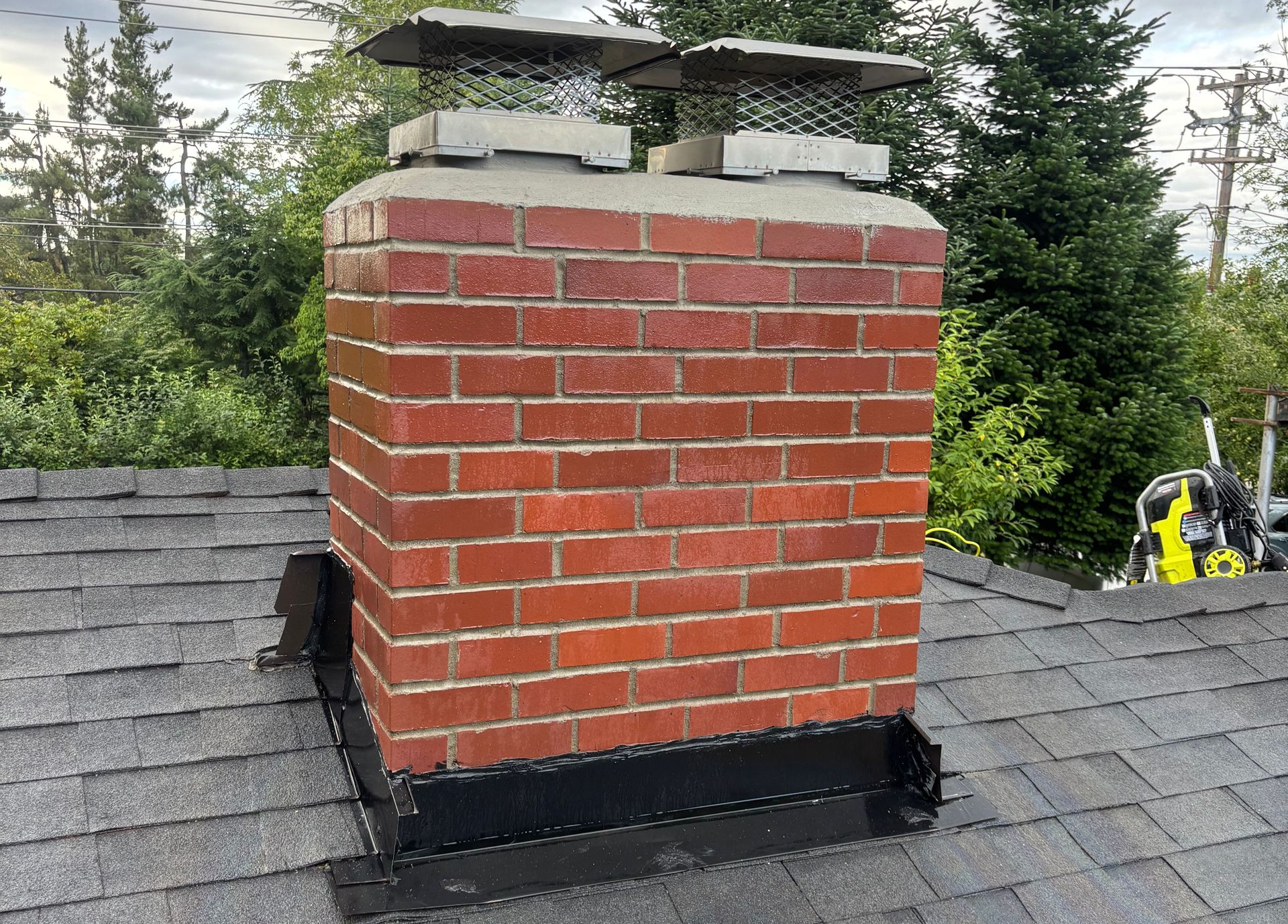
Common Chimney & Masonry Issues That Delay Home Sales in Portland, OR
How Chimney and Masonry Problems Affect Home Sales in Portland, OR
Chimney and masonry problems are common stumbling blocks in Portland real estate transactions. Buyers, inspectors, and lenders often flag these issues during escrow, and the resulting repairs or escrow holds can extend closing timelines and reduce offers. Understanding what inspectors look for and how these defects affect valuation helps sellers and agents manage expectations and streamline the sales process.
Why Do Chimney Problems Slow Down Home Sales in Portland?
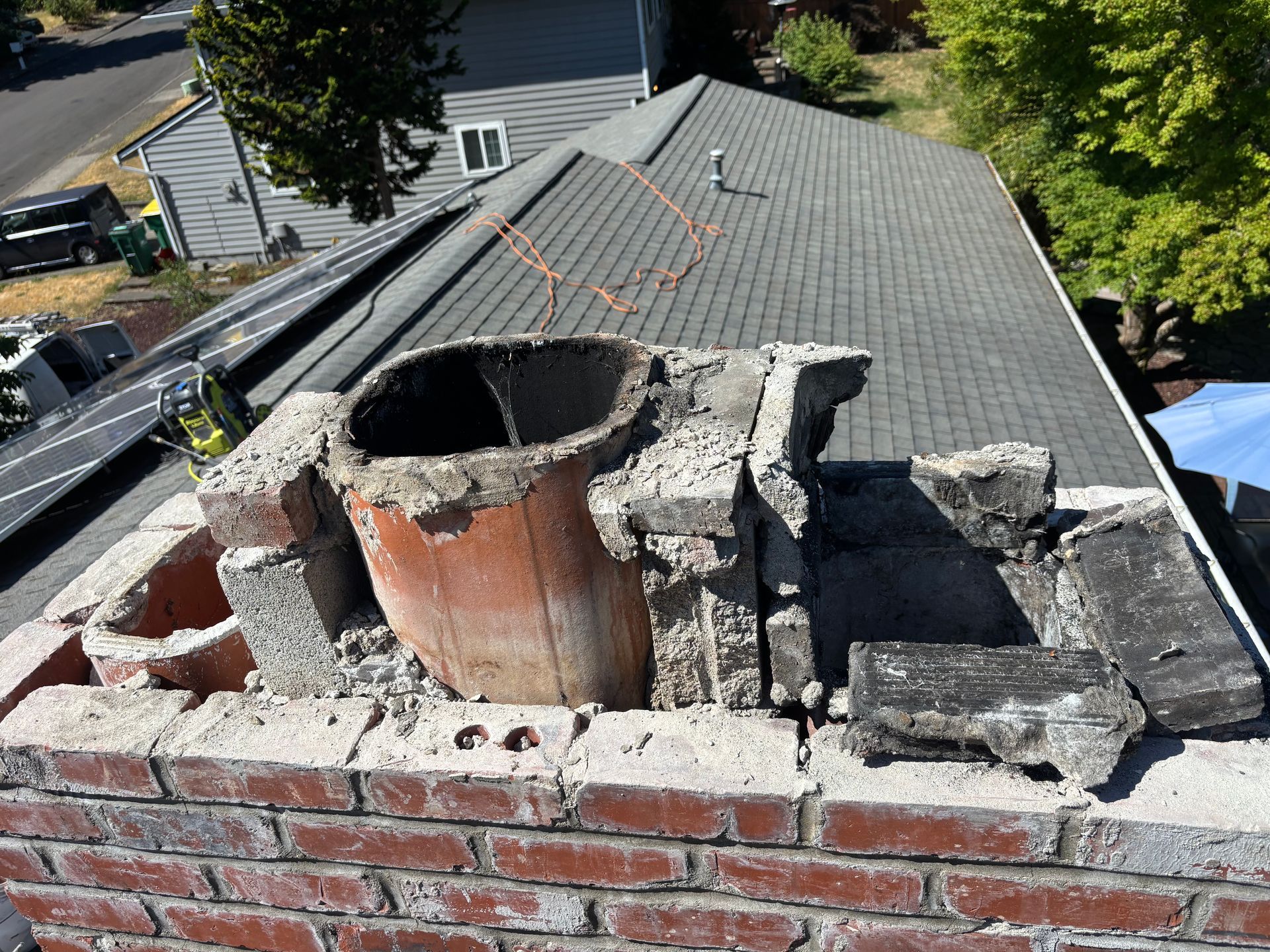
Chimney defects—cracked flue liners, deteriorated crowns, active leaks, and creosote buildup—pose safety and insurance concerns that buyers take seriously. In Portland’s wet climate, water intrusion accelerates masonry decay, leading to spalling bricks, loose mortar, and rusted metal components. Lenders and insurers may require certified repairs or inspections before approving financing or coverage, which can delay closings and prompt renegotiations on price or repair credits.
What Masonry Issues Commonly Delay Home Sales?
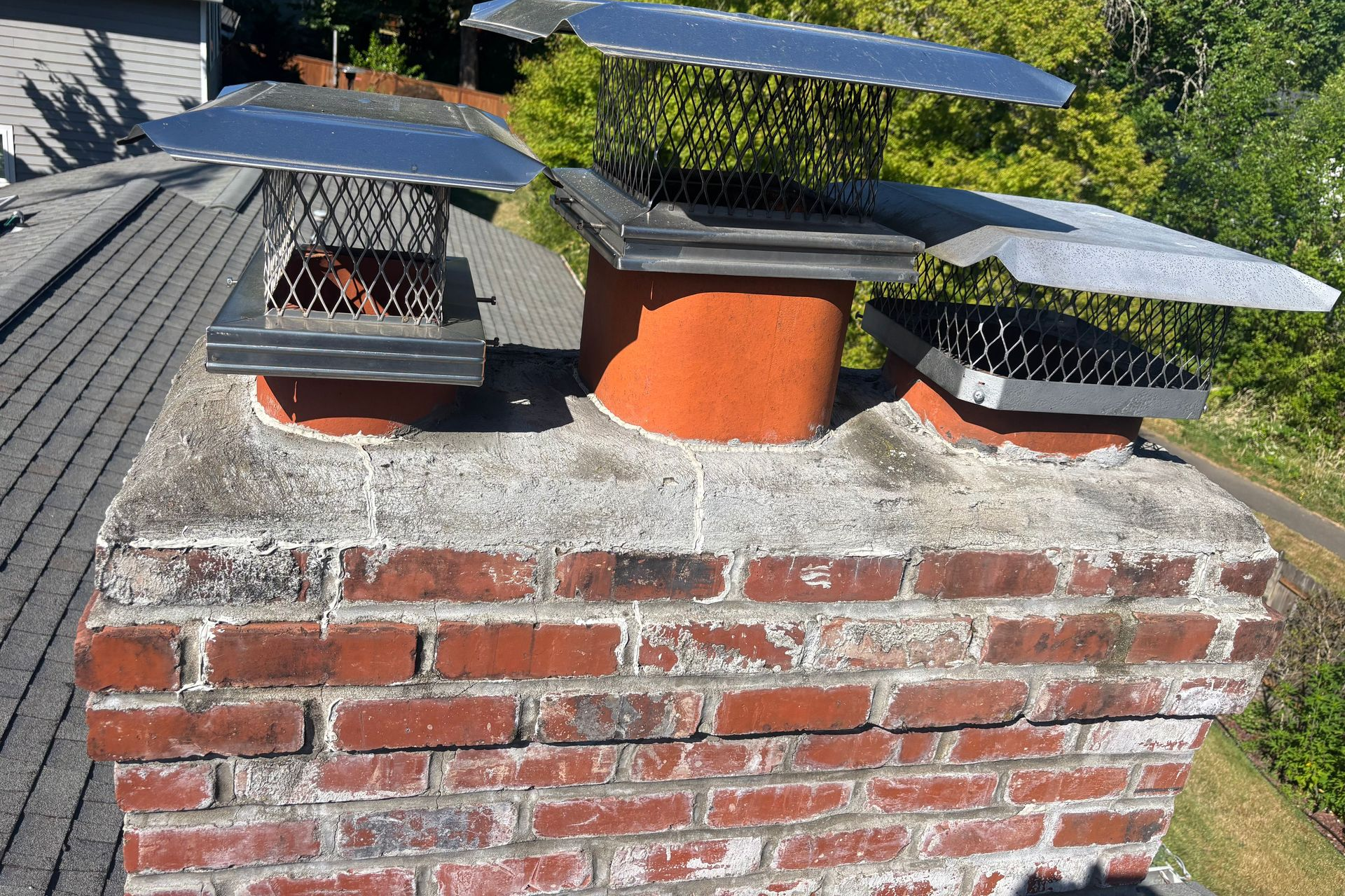
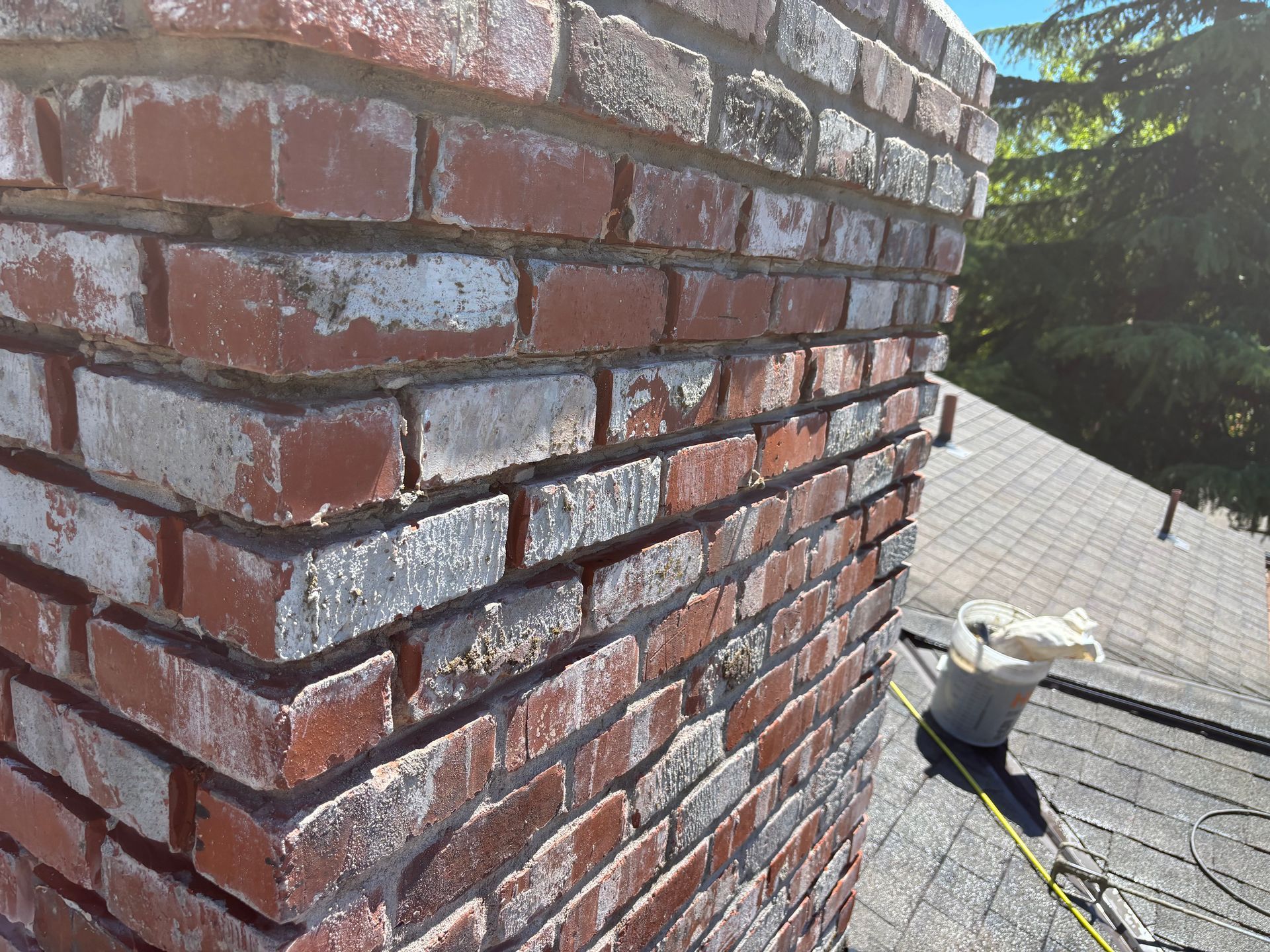
Masonry problems that commonly surface during inspections include cracked or bowing chimneys, mortar joint failure, efflorescence indicating moisture movement, and undermined foundations where masonry meets structural elements. Visible deterioration often triggers demands for structural engineer reports or contractor estimates, adding time and cost. Buyers may also worry about hidden damage behind finished surfaces, leading to increased contingency requests and lower perceived property value.
What Are the Most Common Issues That Slow a Home Sale?
- Cracked Chimney Flue Liners: Can cause hazardous gas leaks and require certified replacement.
- Deteriorated Chimney Crown: Allows water entry, accelerating the decay of brick and mortar.
- Spalling Bricks and Loose Mortar Joints: Visible degradation that signals moisture and freeze-thaw damage.
- Leaking Flashing at the Roof-Chimney Intersection: Causes roof and attic water damage concerns.
- Creosote Buildup and Uncertified Chimneys: Fire risk that may require professional cleaning and inspection.
- Inadequate Chimney Cap or Rain Protection: Leads to the entry of animals, debris, and water.
- Foundation or Masonry Settlement Cracks: Structural concerns that trigger lender and buyer scrutiny.
- Efflorescence and Salt Staining: Evidence of chronic moisture migration and drainage issues.
- Rusted Chimney Components and Damaged Dampers: Indicate long-term neglect and potential safety issues.
- Leaning or Separating Chimney: Serious structural issues; professional inspection is essential.
How Do These Issues Affect Buyer Confidence and Financing?
Many buyers rely on lender-required inspections and insurance underwriting to confirm a home’s condition. Significant chimney or masonry defects can prompt underwriters to require repairs or certifications from licensed contractors, delaying loan approval. Buyers may request price reductions or credits to cover anticipated repair costs; some offers include extended inspection periods or contingencies that lengthen the escrow timeline. The cumulative effect is often fewer competitive offers and longer days on market.
What Should Realtors Know About Managing Chimney and Masonry Concerns?
Realtors play a crucial role in anticipating and communicating likely inspection findings. Provide sellers with a clear expectation of how chimney and masonry issues influence offers and financing. Encourage pre-listing inspections by qualified professionals where feasible, and compile documentation—such as past repair receipts, inspection reports, and contractor warranties—to reassure buyers. When presenting properties, highlight any recent maintenance or certifications, and be prepared with contractor contacts for expedited estimates. Briefly note that amateur repairs can create liabilities or lead to higher long-term costs, so rely on licensed professionals when certifications are needed.
How Can Sellers Minimize Delays in Chimney and Masonry Work?
Sellers who gather documentation, address obvious safety hazards, and present prompt professional assessments typically experience smoother transactions. Transparent disclosures about known issues, along with supporting reports, reduce uncertainty and shorten negotiation cycles. Prioritizing safety- and lender-related items often preserves buyer confidence and keeps sales on schedule.
Choosing a Chimney & Masonry Repair Partner in Portland, OR
Select a licensed, insured contractor with specific Portland experience in chimneys and masonry; local knowledge ensures proper handling of wet‑climate issues, permits, and code requirements. Ask for written estimates, timelines, proof of insurance, references, and examples of recent work; confirm they provide clear warranties and follow-up inspections. Prioritize firms that coordinate with inspectors and lenders and communicate promptly—this reduces surprises during escrow and helps keep the sale on schedule.
Are You a Homeowner Selling Your Home or a Realtor in Portland, OR?
If you are selling your home in
Portland,
Lake Oswego,
Hillsboro, or
Aloha, OR, or if you are a real estate agent and your client has
chimney issues, contact us at Five Star Chimney Repair. We can inspect the chimney and help you and your seller decide the best way to move forward. At Five Star Chimney Repair, we understand how a defective or damaged chimney can harm the sale of a home in Portland, OR.
Click here to contact us now!