
What Is Chimney Flashing and Why Is It Important?
Chimney Flashing: What You Need to Know
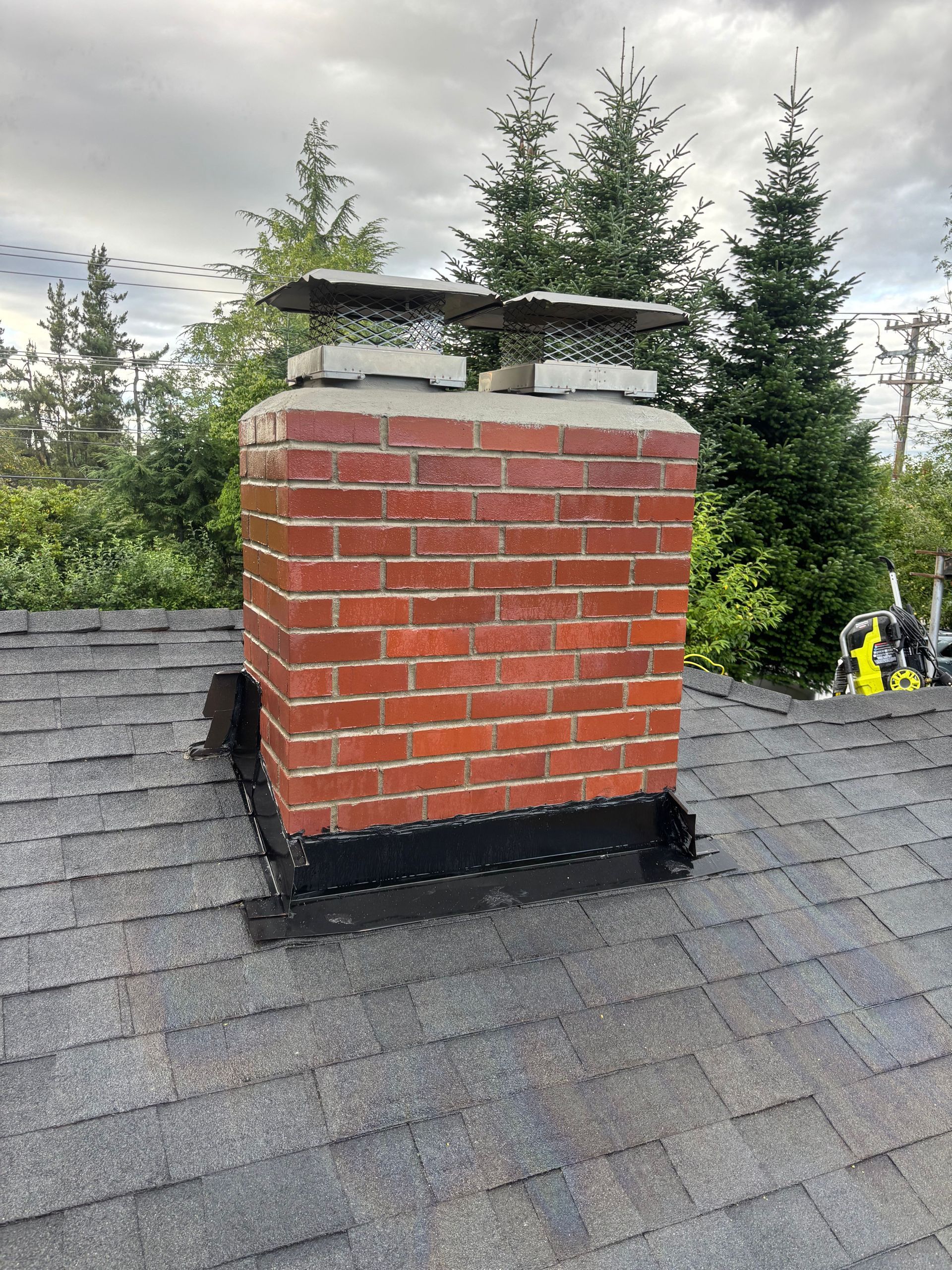
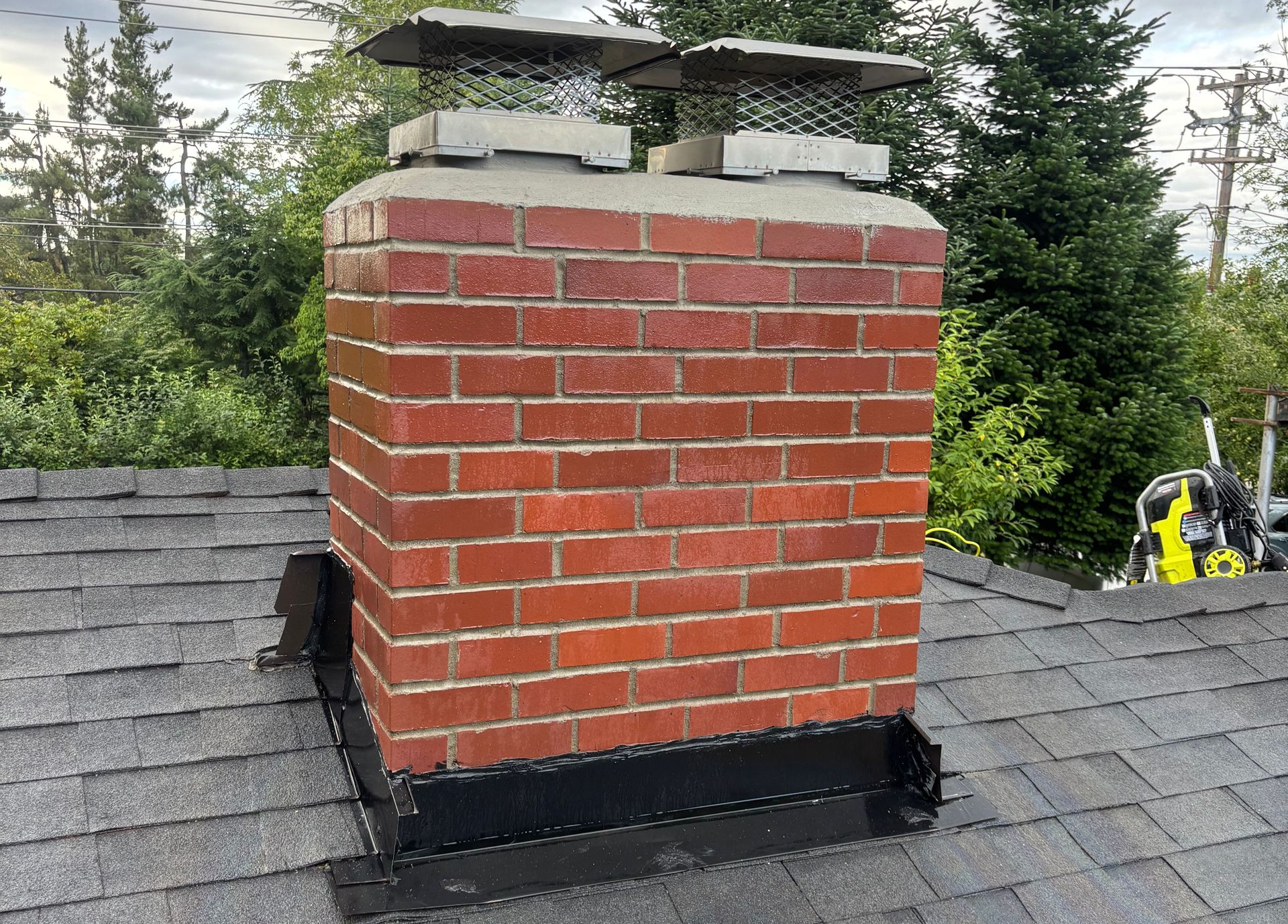
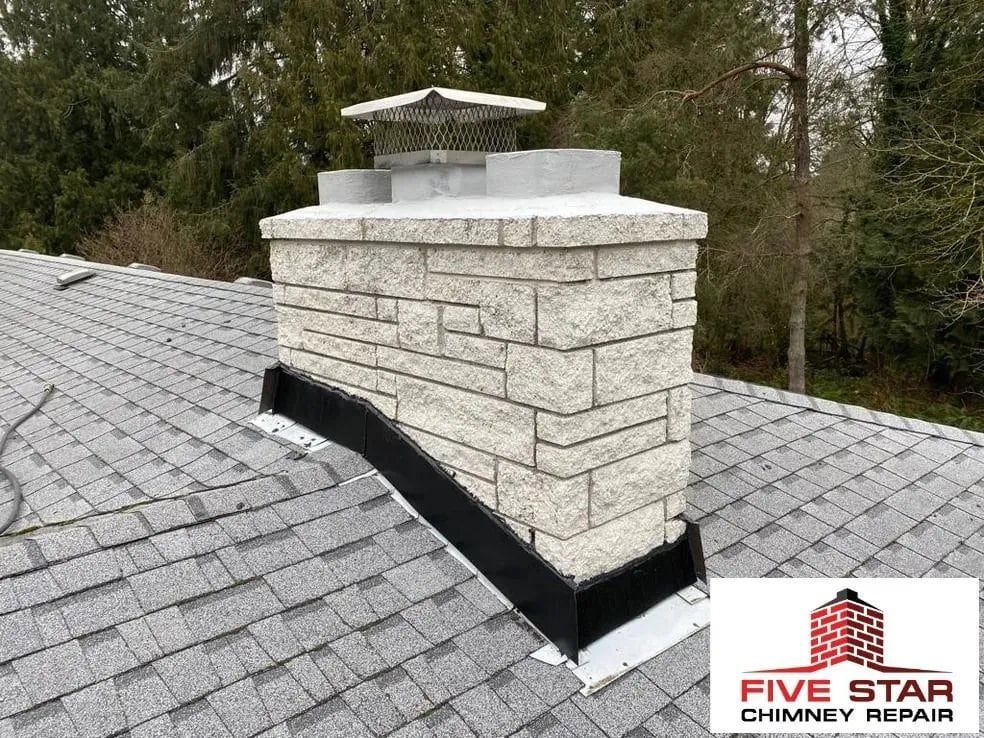
Chimney flashing is the metal or membrane barrier installed where a chimney meets the roof to prevent water infiltration. Often overlooked, flashing is a critical component of roof and chimney systems because it directs water away from vulnerable seams and joints. Properly designed and maintained flashing protects structural elements, insulation, and interior finishes from moisture damage that can lead to rot, mold, and costly repairs.
What Is Chimney Flashing Made Of and How Does It Work?
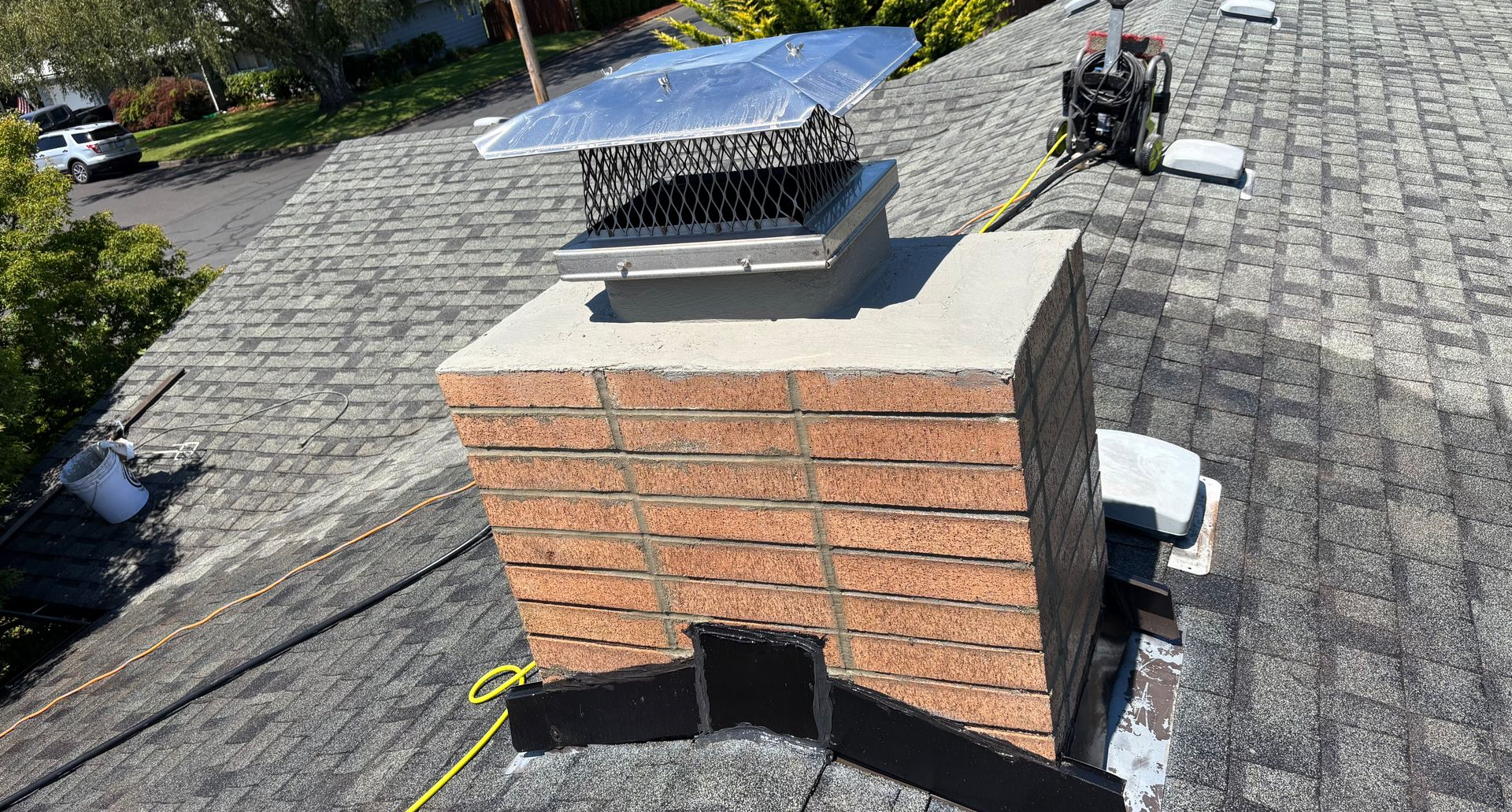
Chimney flashing typically consists of multiple pieces of metal—step flashing, counterflashing, and a flashing apron—arranged to create overlapping channels that shed water down the roof slope. Common materials include galvanized steel, copper, lead, and aluminum, each with different longevity, corrosion resistance, and cost profiles. The principle is simple: flashing forms a continuous, weather-resistant barrier between the chimney masonry and roof covering. Counterflashing is embedded into the chimney mortar or wall and overlaps the step flashing to create a sealed joint. When installed correctly and with proper materials, flashing prevents wind-driven rain, melting snow, and ice from entering the seam where the two structures meet.
Why Is Chimney Flashing Important for Home Protection?
Chimney flashing is important because the chimney-to-roof junction is one of the most leak-prone areas of a home. Water intrusion at this joint can compromise roof sheathing, rafters, attic insulation, and interior ceilings. Long-term moisture exposure can cause wood rot, accelerate mold growth, and corrode metal ties and fasteners. In cold climates, poor flashing can contribute to ice dam effects that exacerbate leaks. Insurance claims and contractor assessments commonly cite failed flashing as a primary cause of roof-related water damage. Investing in durable flashing and timely repairs helps preserve a home's structural integrity and reduces cumulative repair costs; improperly patched flashing often leads to recurring leaks and higher expenses over time.
What Are Common Types of Chimney Flashing?
- Step Flashing: Multiple L-shaped pieces—one for each row of shingles—installed along the roof slope where it meets the chimney. Step flashing integrates with roofing materials to create staggered protection that directs water away from the chimney joint.
- Counterflashing: A higher piece, usually embedded into the chimney mortar or secured to masonry, that overlaps step flashing. Counterflashing provides the upper seal and is critical for preventing water from migrating behind step flashing.
- Apron Flashing: A continuous, front-facing metal piece attached to the lower side of the chimney, designed to catch water running down the chimney face and channel it onto the roof covering.
- Saddle or Cricket Flashing: A small peaked structure built on the uphill side of the chimney to divert water and debris around the chimney and reduce pooling or ice accumulation in that area.
- Continuous Flashing: A single piece that runs along the length of the chimney edge; often used with counterflashing in certain roof configurations, but may require precise integration with shingles to be effective.
- Materials and Longevity: Galvanized steel is economical but prone to rust over time; aluminum resists rust but can be softer and more easily damaged; copper offers long life and aesthetic appeal but is more expensive; lead provides flexibility and strong sealing properties but may be restricted in some areas due to environmental concerns.
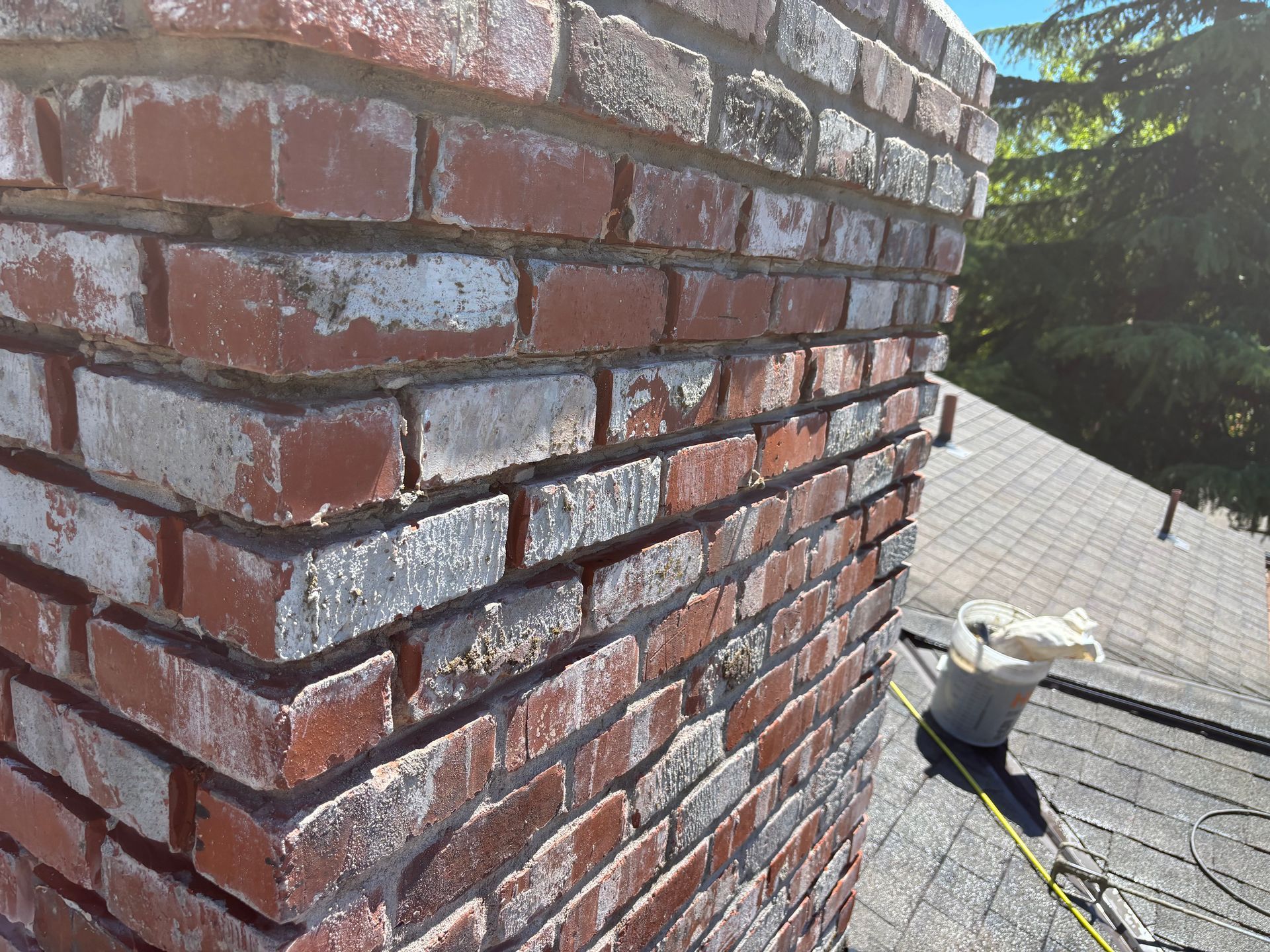
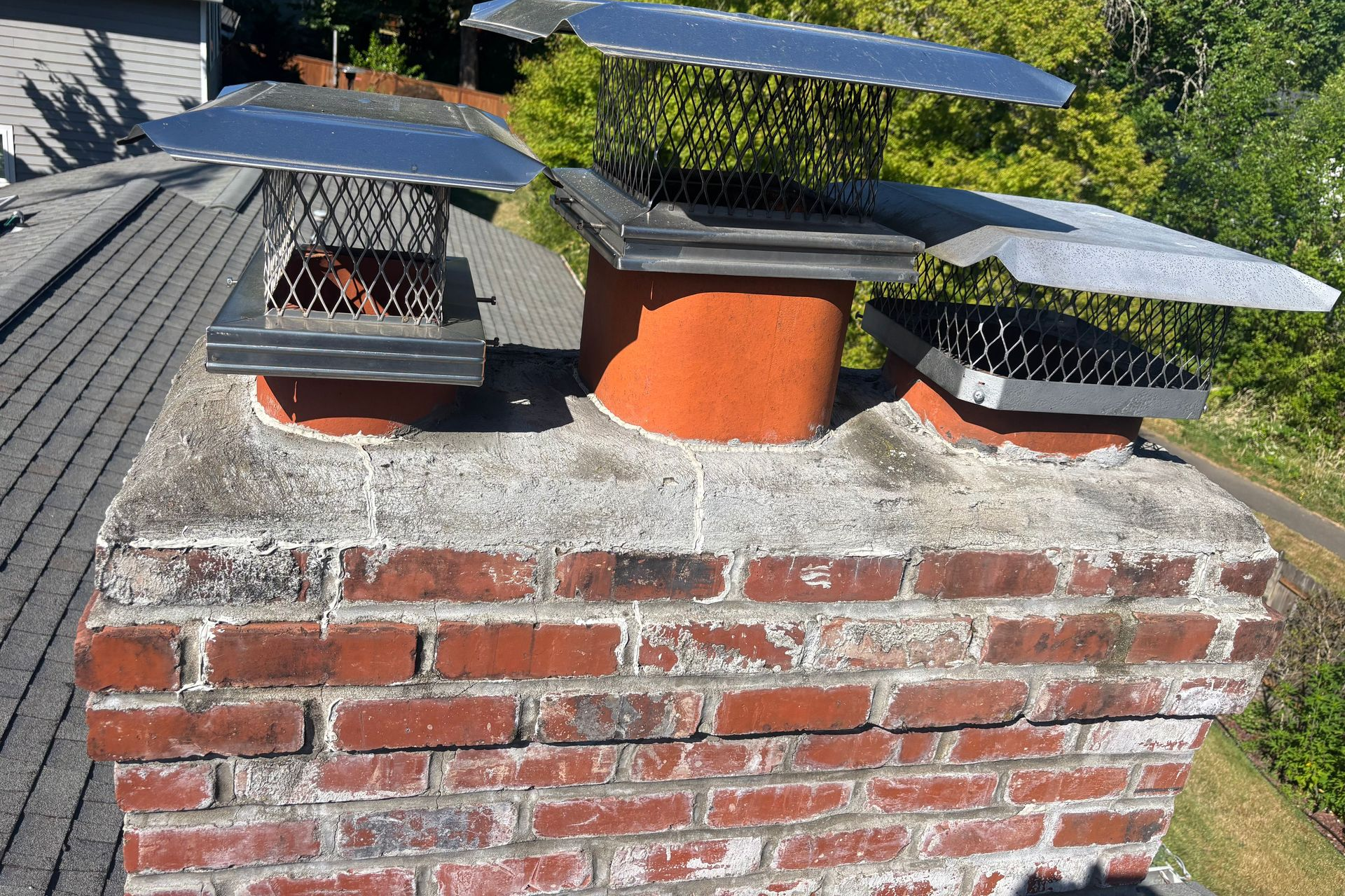
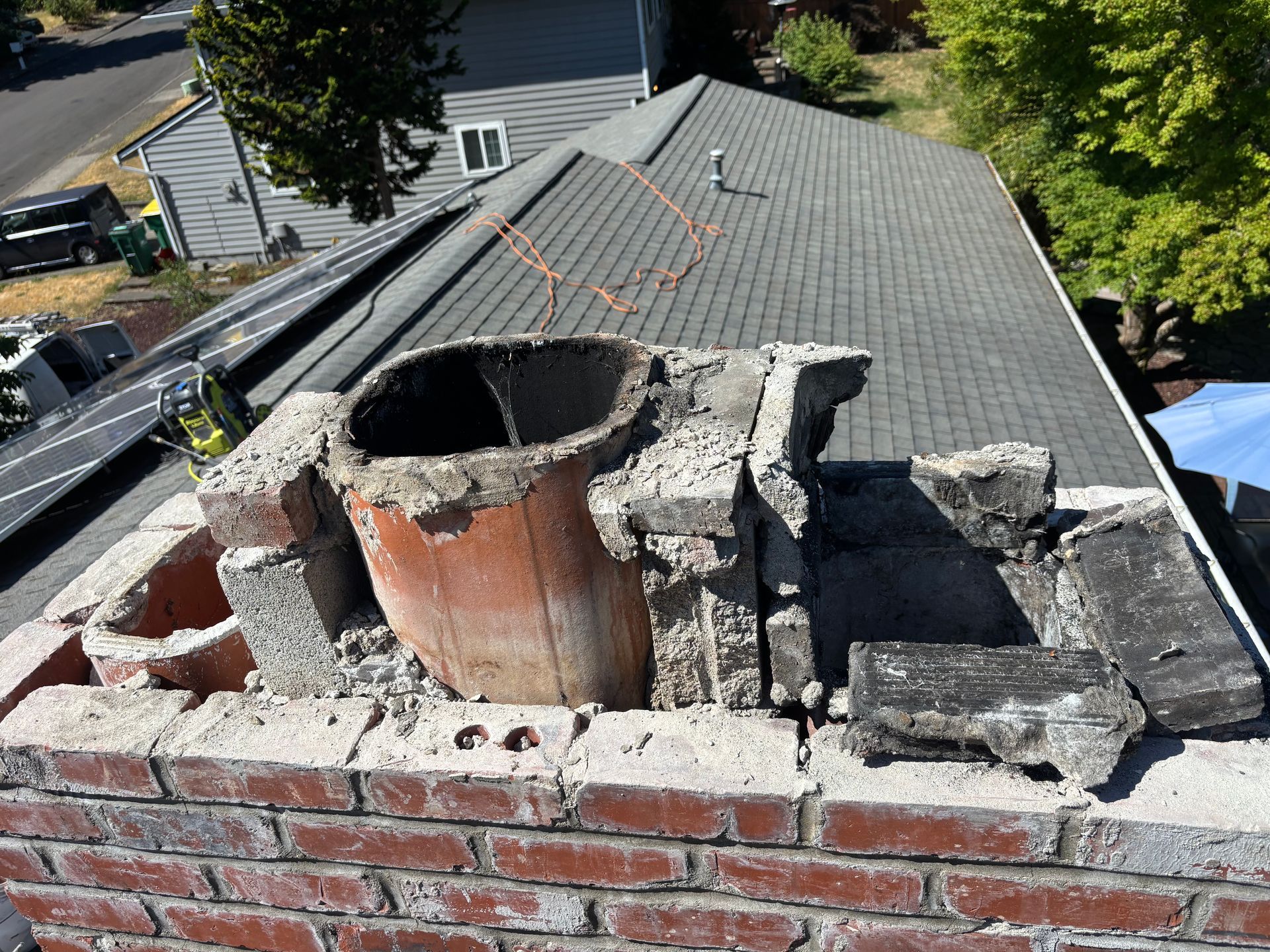
- Common Failure Modes: Corrosion, separation from mortar joints, improperly lapped seams, and damage from roof work or thermal movement. Regular inspection identifies cracked mortar, loose counterflashing, and degraded seals before major leaks develop.
How Often Should Chimney Flashing Be Inspected and Replaced?
Inspect flashing at least annually and after severe storms. Visible signs of failure include water stains on ceilings, damp attic insulation, missing or bent flashing sections, rust, and cracked mortar where counterflashing is embedded. While minor sealant failures can sometimes be repaired, a full replacement is often the most durable solution for aged or severely corroded flashing. Regular professional inspections and timely repairs preserve the roof system and prevent escalation to structural damage.
Does Your Chimney Flashing Need an Inspection or Repair in Portland, OR?
If you are a homeowner in
Portland,
Lake Oswego,
Tigard, or
Gresham, OR, and your
chimney flashing is due for inspection,
contact us at Five Star Chimney Repair. We have more than 15 years of experience repairing chimney flashing in Portland, OR. Five Star Chimney Repair is family-owned and operated, and we offer discounts for seniors, teachers, and service members in the military. Five Star Chimney Repair is a member of the Chimney Safety Institute of America (CSIA).